


![]()


Overview Forecast of 2012 Water Dragon Year in General
Hail mighty Dragon! Your arrival is most welcome. People and businesses around the world have had difficult times over the last few years, so the good luck you bring is timely and needed. The Dragon is in fact the major symbol of good fortune in Chinese Astrology. The Dragon constellation, for example, is accorded the honor of being the guardian of the Eastern sky. According to tradition the Dragon brings in the Four Blessings of the East: wealth, virtue, harmony and longevity. Indeed, of the 12 signs of the Chinese zodiac the Dragon is the most special, as it is a mystical being rather than an earthly animal. It is sometimes called a karmic sign. In this context that means we can expect grand things this year. Bigger than life is very much a Dragon thing. There will be spectacular successes as well as crash and burn failures. To get an idea of the magnitude of events that might occur in 2012 it is helpful to look back on the last time the Water Dragon made an appearance, the year 1952. In February Elizabeth II became Queen of the United Kingdom, beginning a reign that still continues today. The UK was responsible for another amazing feat of longevity. In November Agatha Christie's Mousetrap opened in London, eventually setting the record for the longest, continuously running production of a play in history. It is not really cause for celebration, but in 1952 the United States introduced two of the most destructive weapons in history, the hydrogen bomb and the B-52 bomber. On a more positive note, the field of medicine saw the first successful separation of Siamese twins at Mt Sinai hospital in Cleveland, Ohio.
Since this is a Water year, those people born in a Wood one will generally fare better than others of their animal sign, while those born in a Fire one are likely to do worse. It's also slightly negative for those born in an Earth year and mildly positive for Metal sign people. Finally, those born in a Water year will be in their element and do well if their animal sign is compatible with the Dragon. Regardless of your sign, there will be significant upheavals in 2012. Soaring stock markets, natural disasters, and noteworthy, cultural and political developments will be more the norm than the exception. There will be celebrations of all kinds. And, good luck will be coming your way. Are you ready to fly with the Dragon?!

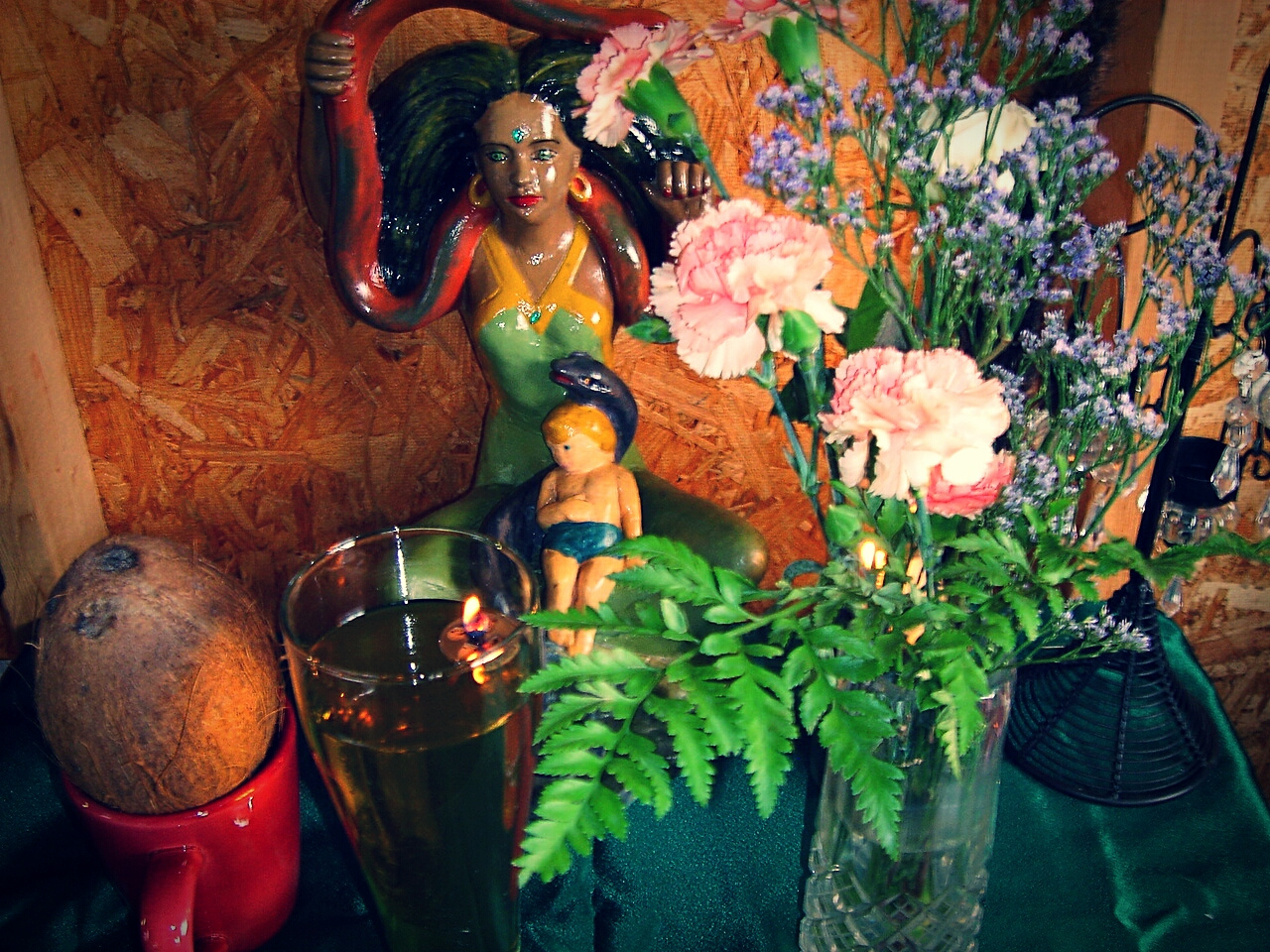
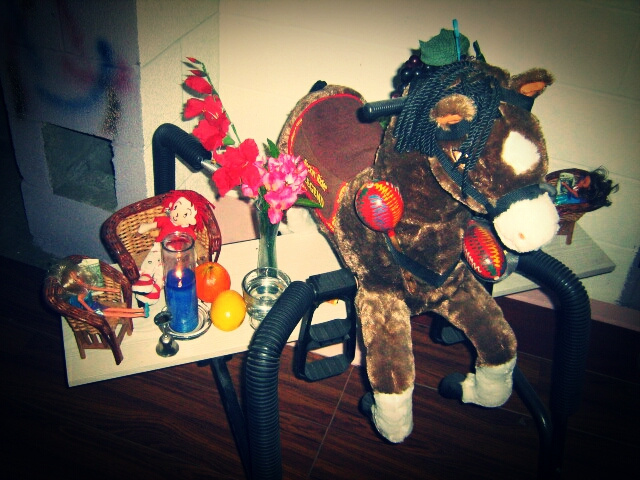
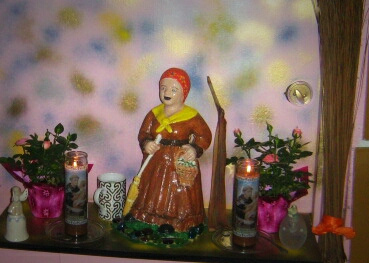
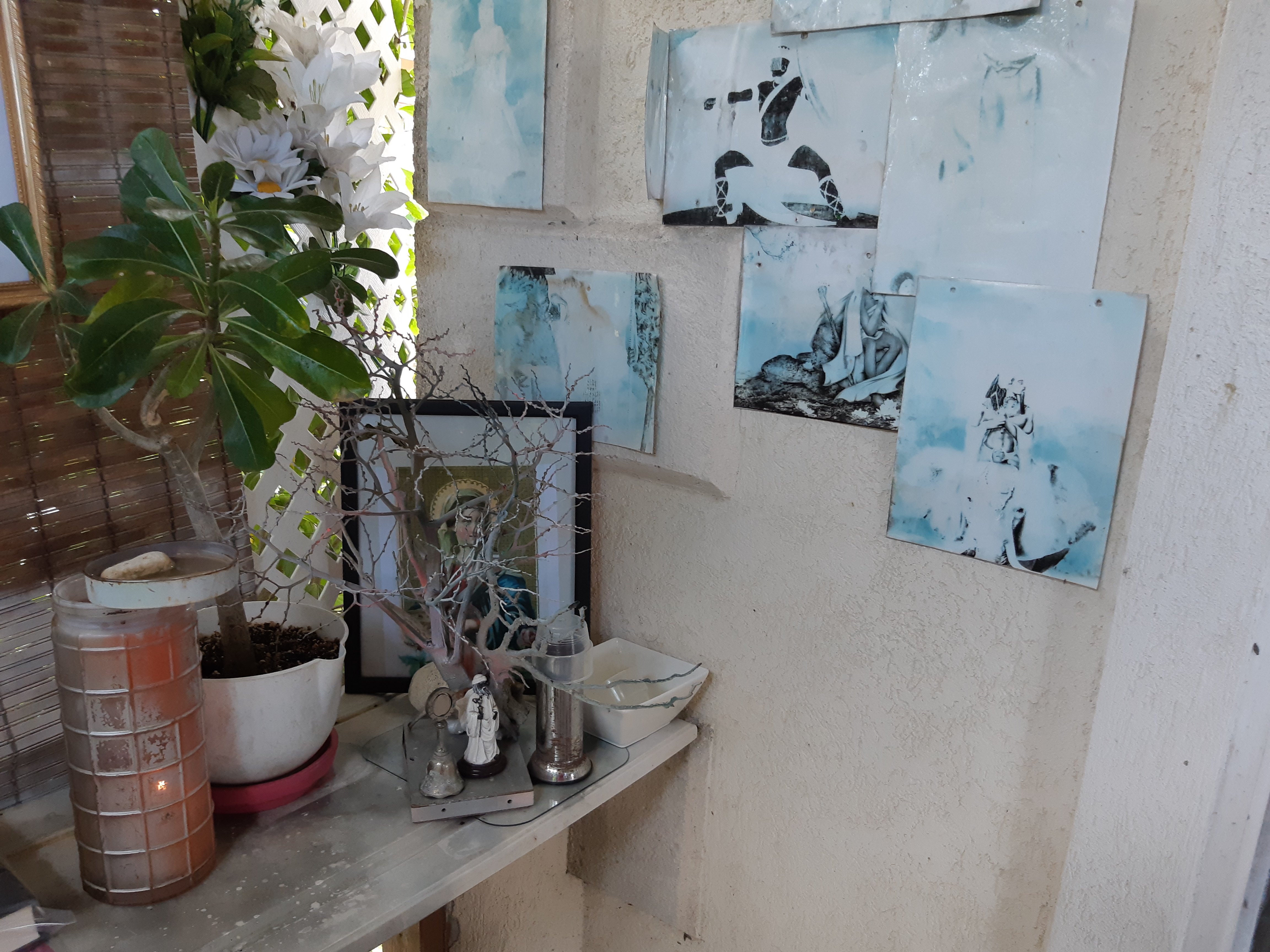
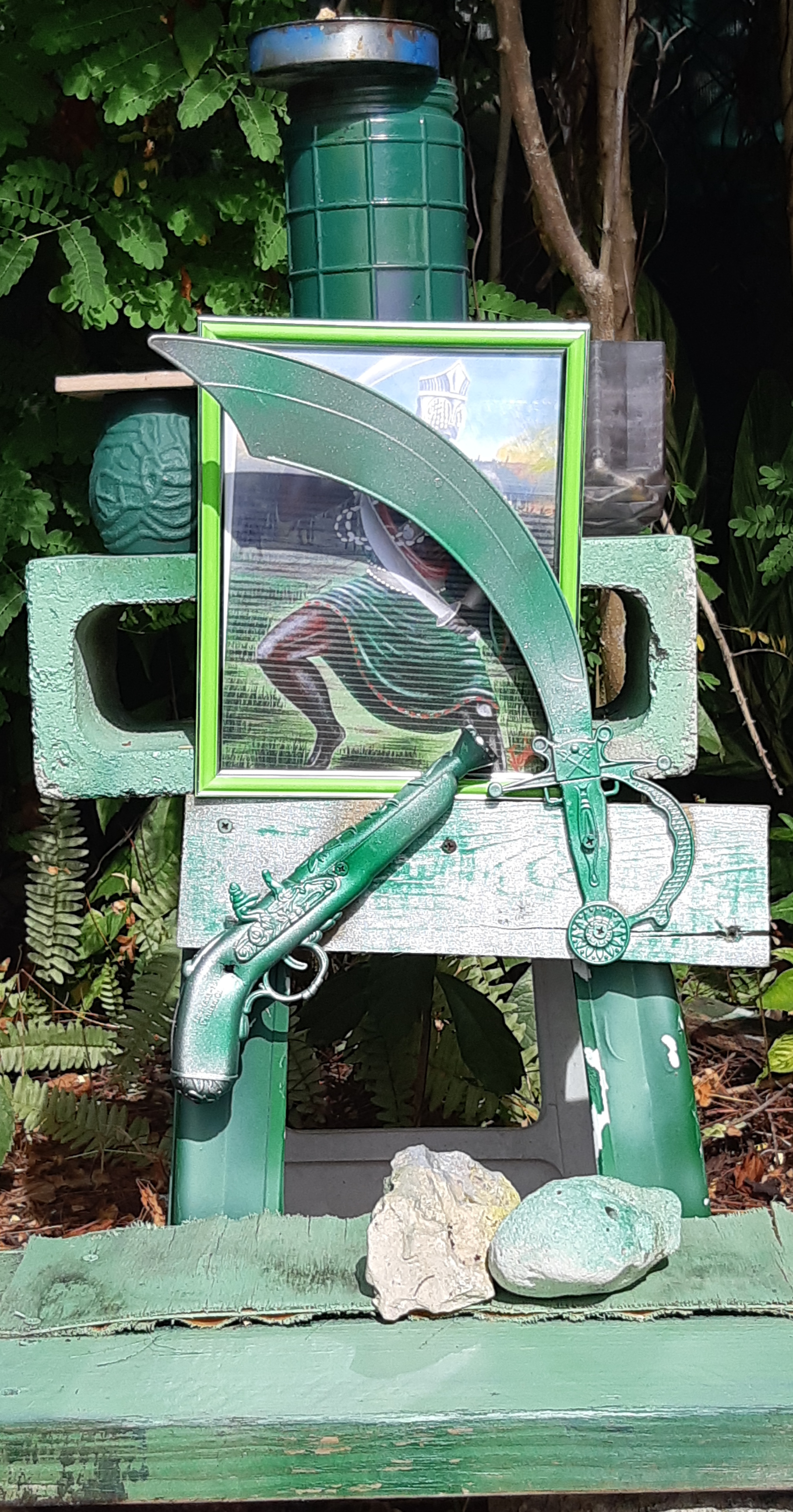
Orisha is an oral religion, passed from godfather or godmother to godchild. The godfathers are established santeros and the relationship is for life. Thus when initiated the godchildren become part of the godparents house. The participants then have to answer to Olodumare and Orisha for their actions. There are many different kind of ebos (offerings) in the religion, and they varied according to the occasion. many such offerings can include candies, cigars, rum or other items or orations that may be appreciated by the particular Orisha. Animals are also offered in especial occasions or when a priest is consecrated in the service of the religion. Also animal sacrifices are called for when there is sickness or serious misfortune. Animal sacrifices must be performed by a santero and are essential for winning favor with the gods. Possession in trance plays an integral part of the Santeria religion. This occurs during a bembe, a drumming Orisha party. Each Orisha has his or her particular "toque" or drum pattern, which is then played in their honor. Many times during the bembe an Orisha can be persuaded to "mount" or enter the body of a santero, if enticed by the appropriate 'toque.' Other forms of divination include the table of Ifa, an instrument used by the Babalawos who are the high priests of the Santeria religion. The Babalawos get their power from Orunla, the Orisha who owns the Table of Ifa, the Babalawos main tool of divination.
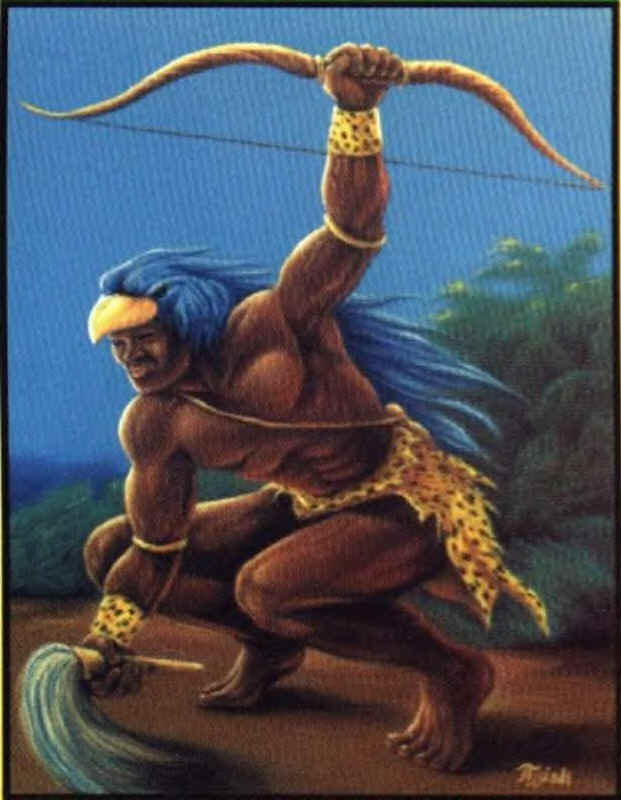
In the beginning there was Olodumare, the primal spiritual energy that makes up all life. Westerners call this energy God and the Africans call it Ashe. When Olodumare visited our corner of the universe He created our galaxy and our solar system. Then He moved on leaving behind Olofi, a part of Himself to watch over creation. Olofi was a bit lonely and to entertain himself created the first Orisha, Obatala. Then Olofi created Yemmu as the female aspect of Obatala and gave her to Obatala for a wife. Obatala and Yemmu were put in charge of the material world in our planet earth. This soon proved an enormous task and more than Obatala and His new wife Yemmu could handle. Olofi then cast the breath of life onto a set of shining stones (otanes) and from these stones different Orishas were born. Obatala then shared His power with these new Orishas to rule the natural world. Thus Eleggua became the keeper of the crossroads, Yemaya became the Orisha of the oceans, Oshun, the godess of love, became a river Orisha, Oya was the wind Orisha, Babalu Aye ruled over disease, Ochosi the Orisha of the hunt, Oggun ruled over metals, Aganyu over volcanos, Chango over lighting and so on.After the Orishas were put in charge of the world, human beings were created. Human beings are in contact with Olofi through the Orishas, and the orishas can be reached through, "ebo," or offerings. The magic of Santeria is based on the mysteries of the orishas and how human beings can interact with them. The correct interaction help better the lives of the participants and everyone around them.


.jpg)


A set of Lucumí batá consists of three hourglass-shaped drums, each of which features two apertures--the larger enú and the smaller chachá. The batá orchestra thus consists of three drummers, each of whom play with two hands—on six skins in all--along with a soloist (cantante/akpón) and a chorus. Polymetric rhythms are produced through a complex “conversation” between the largest and middle-sized drums, the Iyá and the Itótole, respectively, while the Okónkolo keeps a steady rhythm alongside
Historically, the batá have been mounted with goatskin or deerskin heads (auó). Traditional batá have used a tension-based tuning system of cords (tirantes), of goatskin in Havana and cáñamo (hemp) in Matanzas. However, it is common today to find nylon cords used, which are easier to manipulate for tuning purposes, or steel tuning hardware (llaves), such as found on modern Conga drums. The last system is preferred by apprentices and in non-ritual, staged musical performance, as the appropriate tones can easily be achieved with the turn of a wrench. The appropriate tones of strap or cord based tuning systems are achieved with a wood mallet to drive the tirantes downward, with a corresponding tightening of the cords, exposure to the sun, and through the application of a ring of fardela, a resin-like medium, to the skins. Fardela lowers the skin’s tone, particularly on the large mouths of the Iyá and Itótole. During performances, drum tone combines with the icy sound of the chaworó, two belts of varied bells that can be animated during dramatic rhythmic passages. The meticulous emphasis upon tone and timbre highlights the fact that these Yoruba-derived instruments are intended to “speak” in ways that correspond to the phonological and semantic structure of the Youba language.
The batá drums serve to salute and invoke the egun (ancestors) and orishas, calling the latter down in ceremonies in which spirit possession occurs, wherein the orishas dance and perform healing work (ebó). Though batá drums may remain aberinkulá (“unconsecrated,” and used at “parties” that honor the members of the orisha pantheon), consecrated batá drums are indispensable for presiding over important ceremonies of initiation and ebó—indeed, “playing for” a particular orisha often constitutes a strong ebó in its own right . Consecrated drums incorporate the spirit of the orisha called Añá, who is a form of Osain, the mystical herbalist. Añá gives the drums their spiritualized sonority and transformative power. Consecrated batá are “born” just as initiates and orishas are, and their new capacity is realized when they receive their “voice” as it is “transmitted” to them from an extant set of “godparent” drums. Consecrated batá are called añá
THE WORD OBEAH: What Does It Mean, How Does It Work?
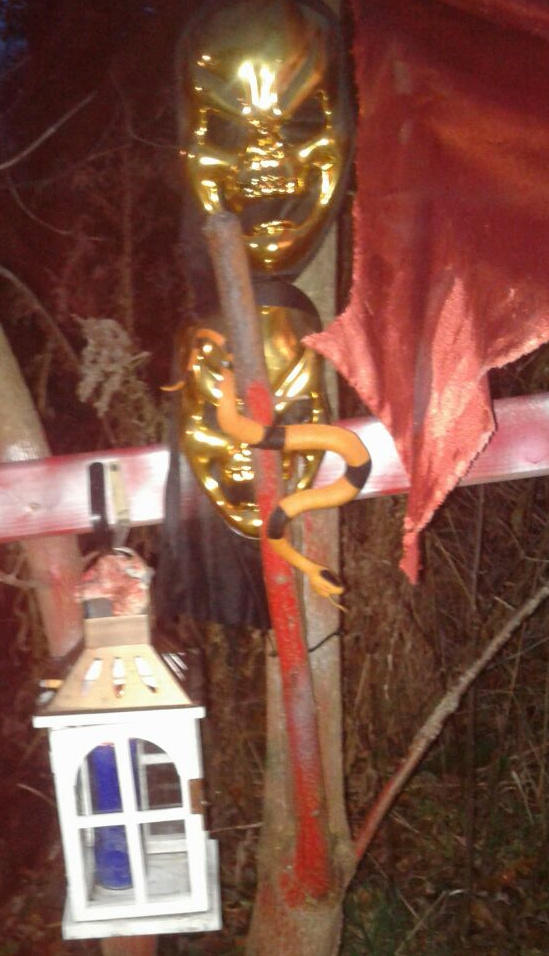
"Obeah, on the other hand, is NOT a religion in the classical sense. That is to say, there are no meeting places such as churches, mosques, synagogs or other religious buildings or shrines --- or any underlying infastructure replicating such a system. Nor is there any sort of congregation or parishioners, although there are what may be called followers, albeit scattered. Obeah is instead, a focused application of "occult power" tapping the virulent source of God's own access --- employed without sanction to facilitate or induce spells, call up answers, predict the future, or garner assist or knowledge from planes other than the conventional and implemented through the individual skill, cunning, and artistry of the Obeah practitioner --- usually beyond the guidelines of traditional witchcraft, sorcery, shamanism, voodoo (voudon), or tribal magic." Now, while it is true that the ORIGIN of the word is indeed obscured and clouded in secrecy, it is primarily because Obeah, as implied above, is in itself clouded in secrecy --- being the remnant of a once very powerful and celebrated SECRET religious Order lost in the mist of time. Even so, slowly over the years clues have surfaced that indicate THAT particular secret religious Order emanated from a certain general geographical area. Those clues, few in number that they may be, strongly point to the fact that the Order originated in or around an area where the Egyptian language was either born, dominant, or used by the priests or religious class --- much as Latin is used by certain religious orders today --- with the power and knowledge of Obeah maintained and rising from the underground ashes of that dispersed Order over the centuries. Considering such a background, it is very probable the etymology of the word sprang from the Egyptian word Ob or Aub, meaning "serpent." Oph is a winged serpent or dragon; and Ab means wisdom/understanding, and together means "Serpent of Wisdom" or "Serpent of Knowledge." To this day Obion is still the Egyptian name for a serpent. In and around the world of the supernatural, the occult, and the underground dark-eddies of things spiritual, there are mystics, shamans, tribal elders, wizards, sorcerers, spellcasters, diviners, necromancers, witches, and all other types and kinds of controllers and purveyors of occult abilities, drawing strength and operating in other dimensions along the edges of the conventional plane. In the realm of all those practitioners the most powerful, the most dreaded, and the most feared is the Obeah.
Moses, who escaped with his people out of Egypt with the full might of the Pharaoh's army hot on their heels all the way to the Red Sea --- where the army reportedly then drowned --- forbade in the name of God, the Israelites even to enquire about the demon Ob, which is translated in the first testament as a necromancer, wizard, or diviner. In today's world the various translations are wide enough to encompass the type shaman-sorcerer that the infamous Yaqui Indian Don Juan Matus apprenticed under, a Diablero, a new-world tribal spiritual elder known to embody a sense of evilness and the ability to shapeshift --- in the process spawning such creatures as the insidious sorceress la Catalina and the inorganic being, the Death Defier Moses himself carries a great deal of importance in all those translations, including right up to this day with Obeah. Even though Moses forbade enquiry into Ob amongst his people, he is seen as the ultimate snake-charmer and among the greatest of magicians. When Moses doubted he was really hearing the voice of God, he was asked what he was holding in his hand. When he replied that he was holding a rod, he is commanded to throw it to the ground. When he does, the rod becomes a serpent. When he picks it up it becomes a rod again. Later, under the direction of Moses, when Aaron throws his rod down before Pharaoh, it becomes a snake as well.(Exodus 7:1-16)
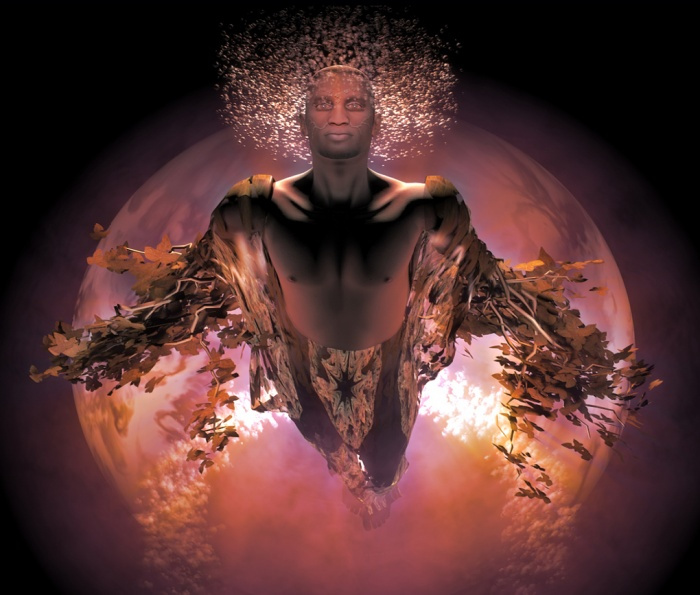
Throughout the ancient world, the Middle East and Egypt, because of the brilliantly clear desert night skys, the stars and the constellations carried deep significance, both for the wandering tribes such as those following Moses and the great civilizations and city-states such as Babylonia, Sumeria, and Egypt. Ophiuchus the Serpent Bearer is one of those desert-sky constellations. Most people pretty much know what the Zodiac is --- the constellations on the plane of the ecliptic through which the sun passes in the course of a year --- and what their "Sun Sign" is in relation to the Zodiac (i.e., Sagittarius, Taurus, etc.). What most people don't know is that there are actually thirteen Sun Signs, NOT twelve. According to the official modern constellation boundaries that astronomers use today, the sun passes through thirteen constellations, not twelve. The Greeks chose to remove one of the original thirteen constellations from the Zodiac in order to accomplish their desire to have each sign rule for an even 30º of sky, so they selected Ophiuchus to be eliminated. It can only be because of his origins in Egypt as one of their most powerful dieties, on par with Osiris and Thoth, all of whom answered only to Ra. Mysteriously enough, just like Obeah is secret, hidden, and unknown, the "thirteenth constellation" of the Zodiac, Ophiuchus the Serpent Bearer is secret, hidden, and unknown. About one person in twenty is an "Ophiuchus," and they don't even know it. In today's world the most common manifestation of Obeah is blended with Orisha worship. Orisha are spirits of nature as well as powerful ancestors that are prayed to, asked to intercede, and in certain cases, actually take possession of practitioners. Among the top ranking Orisha and one of the Seven African Powers, using another ob word AND serpent related as well, is Obatala. His color is white, literally "chief of the white cloth," the integration of ALL colors into one. Corresponds to Damballah, the primordial serpent; sky-serpent; he is the Orisha of peace, harmony, and purity and owns the world. When he possesses his children, they move about on the floor in the manner of snakes.

: Do not turn to Obeah unless your need is great. Obeah spells are too powerful to waste on trivial pursuits! Obeah is used when you don't know where to turn, when all other methods have been exhausted. Obeah is used as a last resort! Turn to Obeah when you want something done, and done now!
When to call upon Obeah: When you or someone close to you needs immediate help When seemingly insurmountable barriers stand in your way When no one else can assist you When you have tried everything and are about to give up So, if you need a boost, a helping hand, a lucky break... If you really know what you want, but can't get it... If you feel helpless, unable to bring about an important change... this is your time to call upon Obeah.